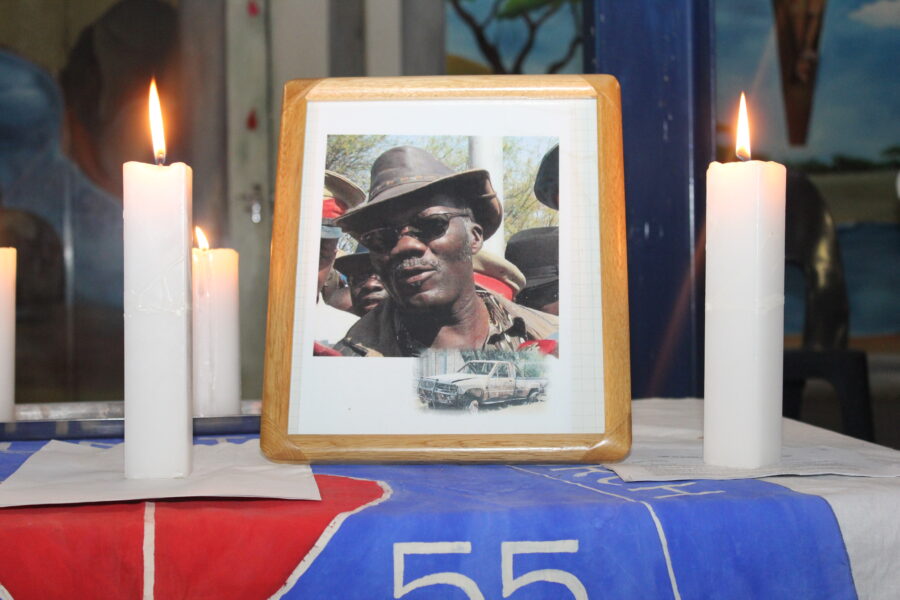
One man grabbed him from behind, held him by the waist while the other strangled him and shoved sand into his mouth to suffocate him. This was how Wilfred Kazeurua, a community stock theft investigator, met his violent end on December 28, 2012, near the border of Farm Brazil and Vasdraai in Namibia.
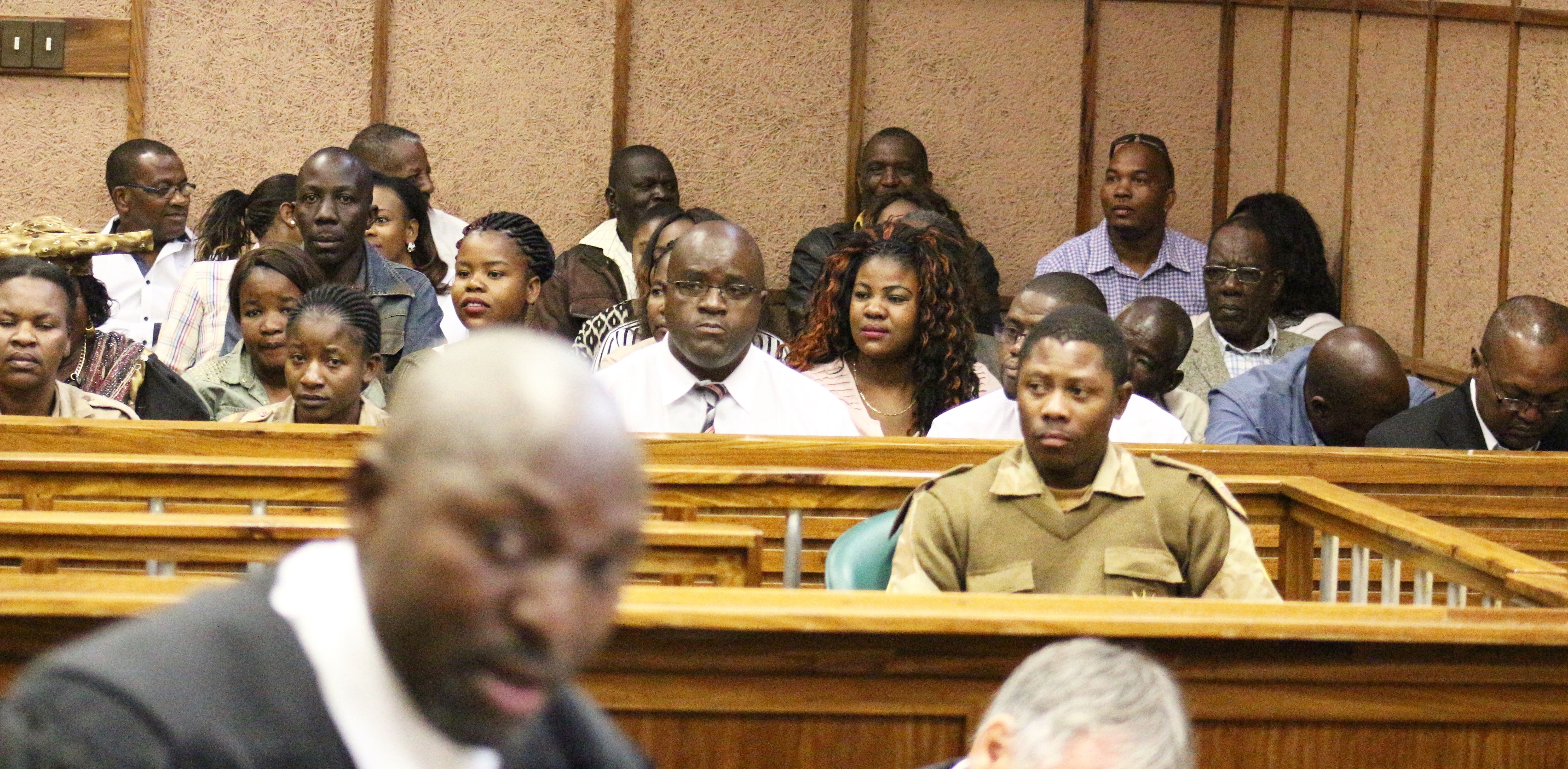
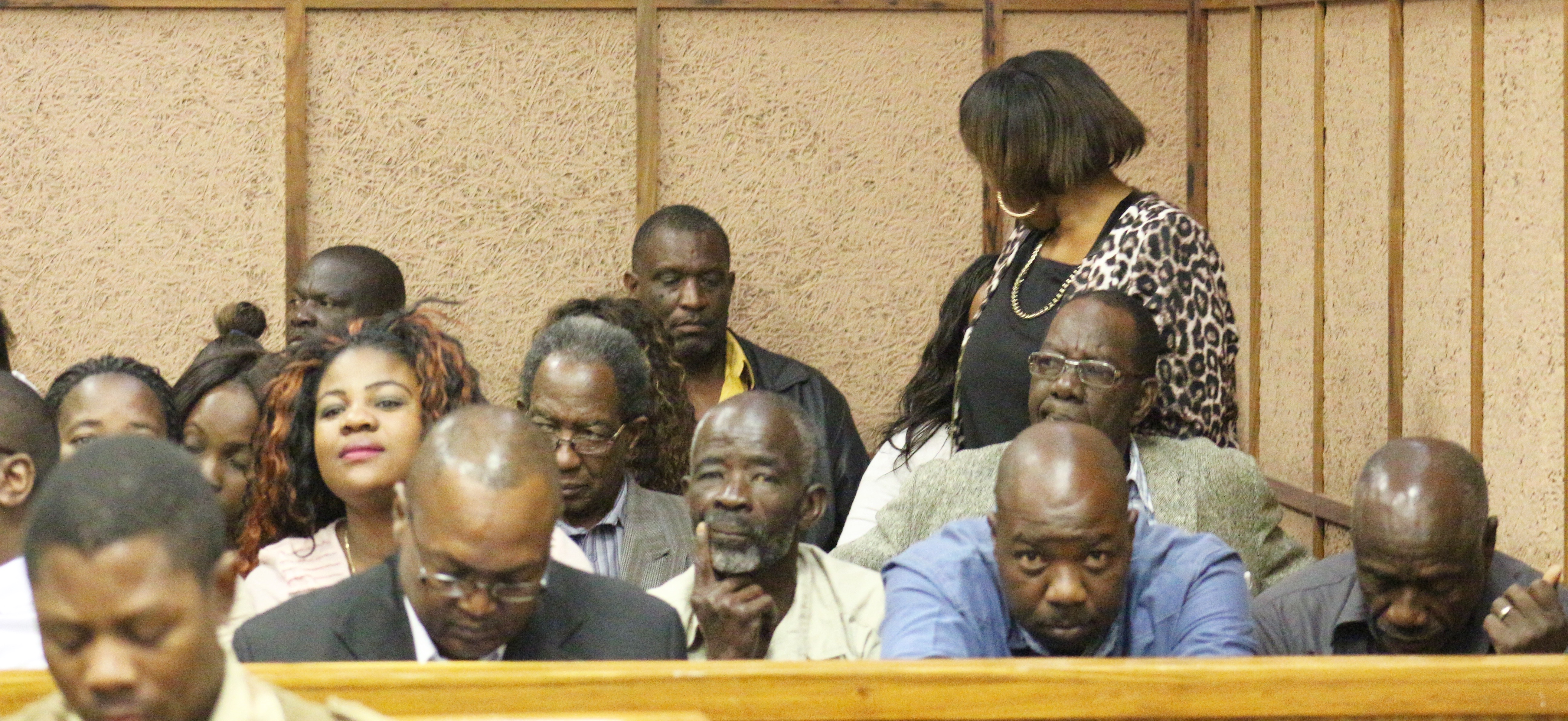
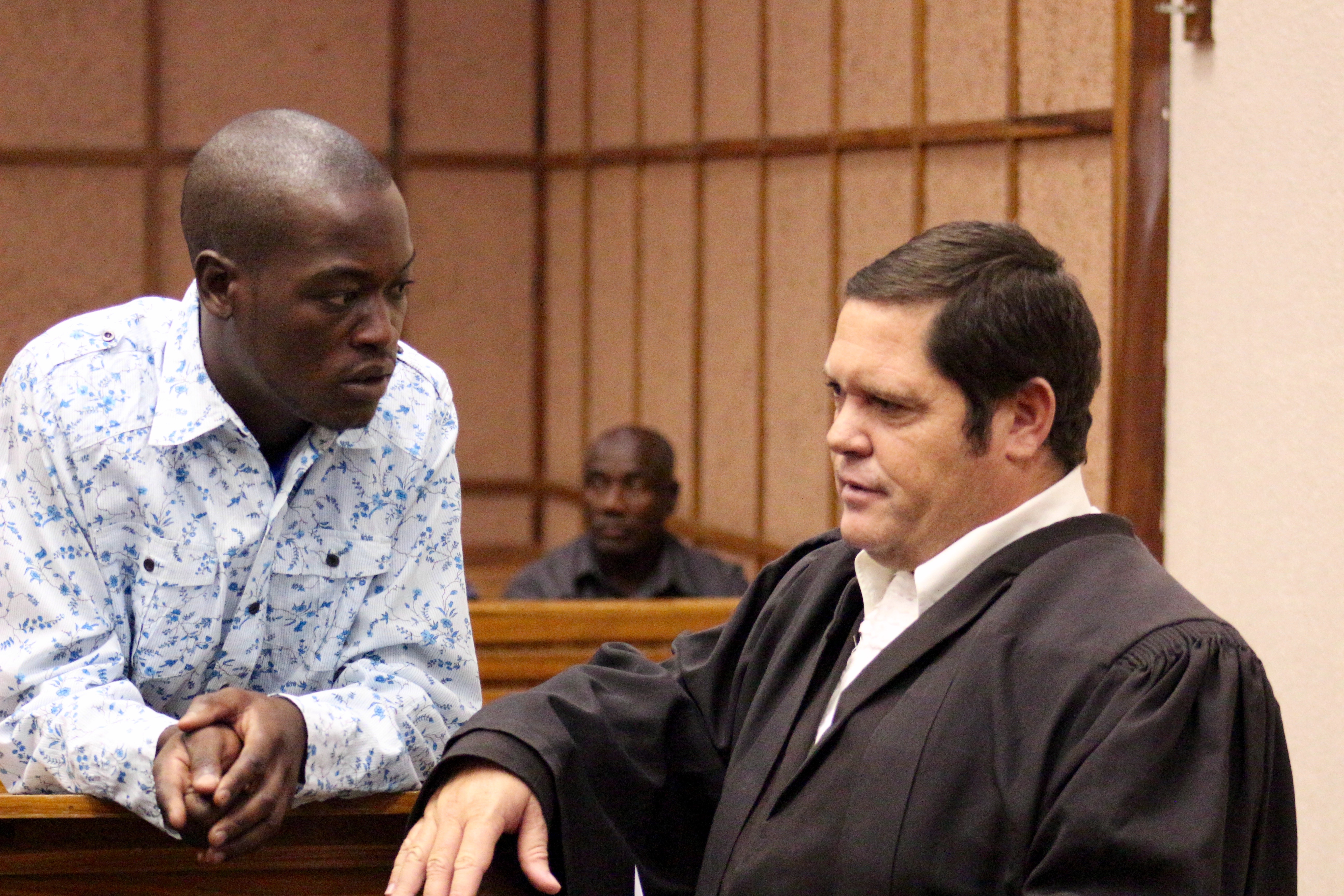
On April 14, 2025, nearly thirteen years after that brutal December day, the High Court of Namibia delivered justice. Acting Judge Siboleka found four men guilty of orchestrating and executing a calculated murder that shocked the farming community and exposed the deadly lengths some would go to protect their criminal enterprises.
The Stolen Cattle That Started It All
The chain of events that led to Kazeurua’s death began in December 2012 with what seemed like a routine livestock theft. Mathew Kakururume and Muvare Kaporo, employees at Farm Rembrandt and Farm Brazil respectively, stole 15 cattle valued at N$75,000 from their employer. The animals were moved to Farm Brazil, then loaded onto a truck owned by Stockley Kauejao and driven by Afas Kamutjemo to Farm Groot Ums, where they were hidden among other livestock belonging to Kamutjemo’s relative.
It was a well-coordinated operation that might have succeeded if not for the victim’s dedication to his work. When the farm owner reported the theft, Kazeurua was called in to investigate. The 26-year-old investigator had built a reputation for his thorough work in tracking down stolen livestock, a persistent problem in Namibia’s farming regions.
The Fatal Investigation
On December 26, 2012, Kazeurua picked up Kakururume and Kaporo for questioning. The two men, knowing they faced exposure, found themselves in the investigator’s custody as he methodically pursued leads. For two days, they traveled together as Kazeurua continued his investigation, unaware that his dedication would cost him his life.
Phone records later revealed the constant communication between the suspects during this period. Kauejao, the mastermind behind the operation, maintained contact with his accomplices, coordinating their next moves. The MTC data showed extensive, real-time coordination between all four men as they plotted their escape from justice.



The Order to Kill
On December 28, 2012, while still in Kazeurua’s custody, Kakururume and Kaporo received a phone call that would seal their victim’s fate. Kauejao, desperate to avoid exposure, gave them a chilling instruction: kill the investigator.
The murder was carried out with cold calculation. Kakururume pretended he needed to urinate and walked into the bushes near the border of Farm Brazil and Vasdraai. Kazeurua, maintaining his watch over his suspect, followed him. Kaporo came behind them both.
What happened next was reconstructed through Kakururume’s detailed confession and corroborated by physical evidence. The two men grabbed and assaulted their victim, overpowering him despite his struggles. They strangled him and shoved sand into his mouth to suffocate him, ensuring his death.
The Cover-Up
The brutal killing was followed by an equally calculated cover-up. The body was stuffed into an anteater hole, partially burned, and covered with sand and dry grass. Following Kauejao’s instructions, they also burned Kazeurua’s vehicle, destroying crucial evidence that might have led investigators to them sooner.
Jesaya Daniel, the foreman at Farm Brazil, later testified that Kaporo had confessed the murder to him and used a farm phone to inform Kauejao that the deed was done. The phone records corroborated this testimony, showing the communication network that enabled the crime.
Unraveling the Truth
The investigation that followed revealed the extent of the conspiracy. All four men had participated in a common plan not only to steal the cattle but to eliminate the one person who threatened to expose them. The recovered cattle were found at Farm Groot Ums, their identification tags removed in an attempt to obscure their origins.
The breakthrough came when Kakururume eventually led police to the burial site and the location of the burnt-out vehicle. His confession, detailed and damning, provided the roadmap that investigators needed to piece together the full scope of the crimes.

Justice Delivered
In his judgment, Acting Judge Siboleka relied heavily on the doctrine of common purpose, circumstantial evidence, and the confessions to establish guilt. Though there were no eyewitnesses to the murder itself, the totality of forensic, testimonial, and communication evidence painted a convincing picture of coordinated criminality.
The court found that Kauejao had masterminded the killing through his ongoing instructions, while Kakururume and Kaporo had directly carried out the physical murder. All four were found guilty of theft and defeating or obstructing the course of justice through their deliberate efforts to destroy evidence and mislead authorities.
The verdicts were decisive: Kauejao, Kakururume, and Kaporo were found guilty of murder, with the latter two convicted of dolus directus—direct intent to kill. All four men were found guilty on all charges, bringing closure to a case that had haunted the farming community for over a decade.
The penalty
Stockley Kauejao (51), Muvare Kaporo (32), and Mathew Kakururume (38) were each sentenced to 25 years in prison for their roles in the brutal murder of Wilfred Kazeurua and the theft of 15 cattle. Kauejao, the mastermind, directed the operation from a distance—coordinating the theft, instructing the killing, and ordering the destruction of evidence. Kaporo and Kakururume carried out the murder with chilling precision, strangling Kazeurua and stuffing sand into his mouth before dumping his body in an anteater hole and torching his vehicle.
The court made it clear: leadership, participation, and silence in crime all carry weight. Though the men offered no prior convictions and claimed pressure or ignorance, the planning, cover-up, and cruelty left no room for leniency. Twenty-five years each—justice served, and a warning sent.
A Community Remembers
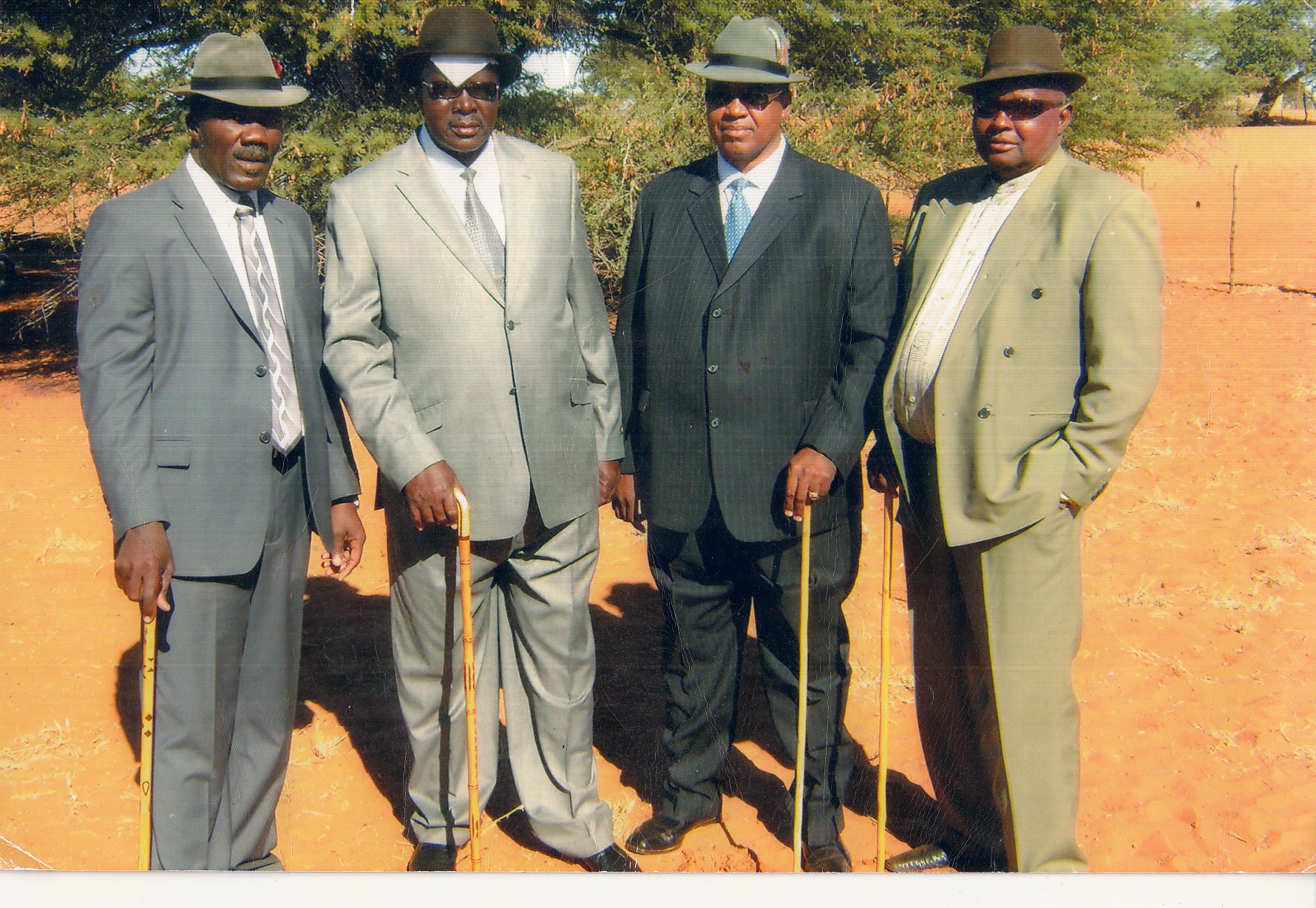
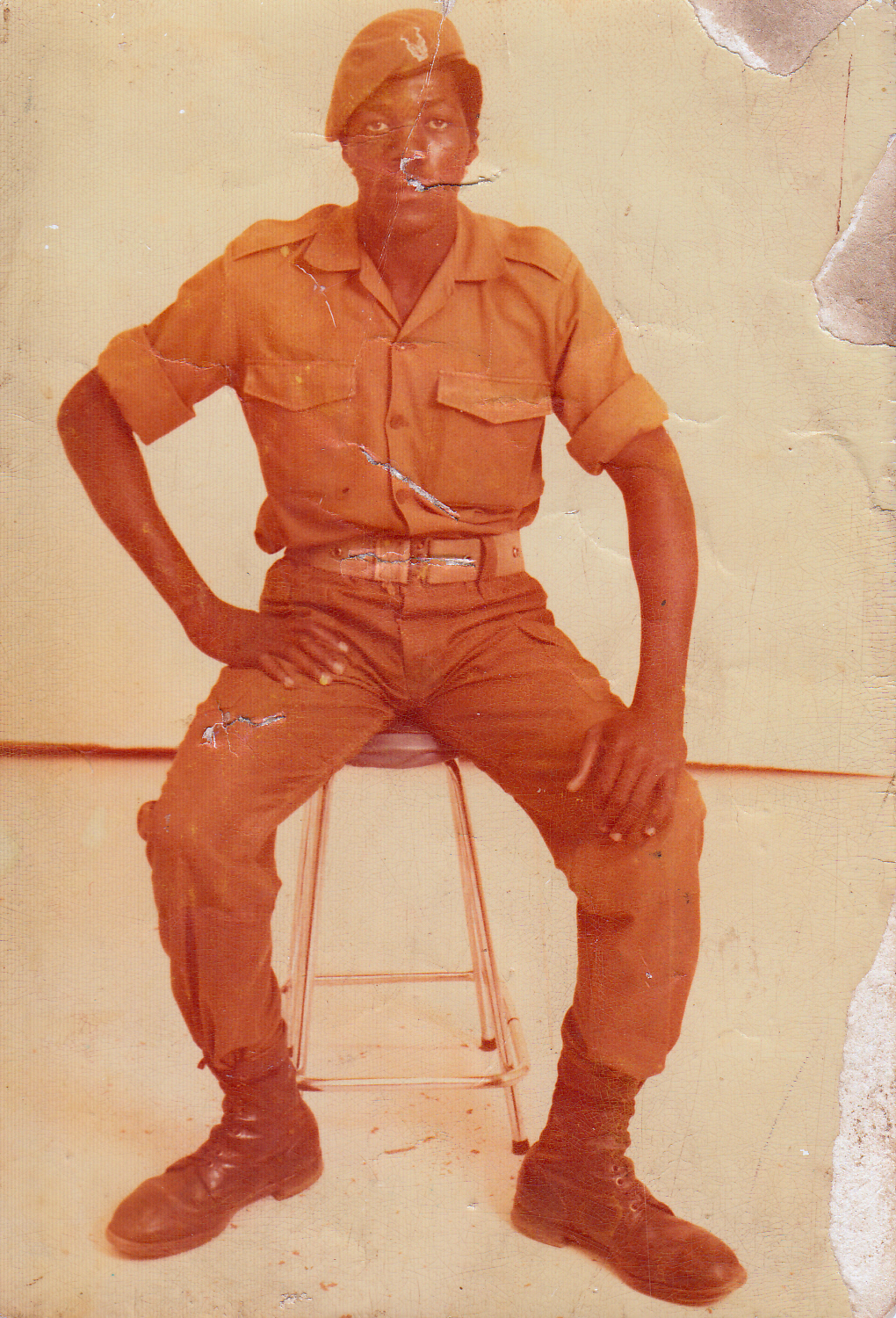
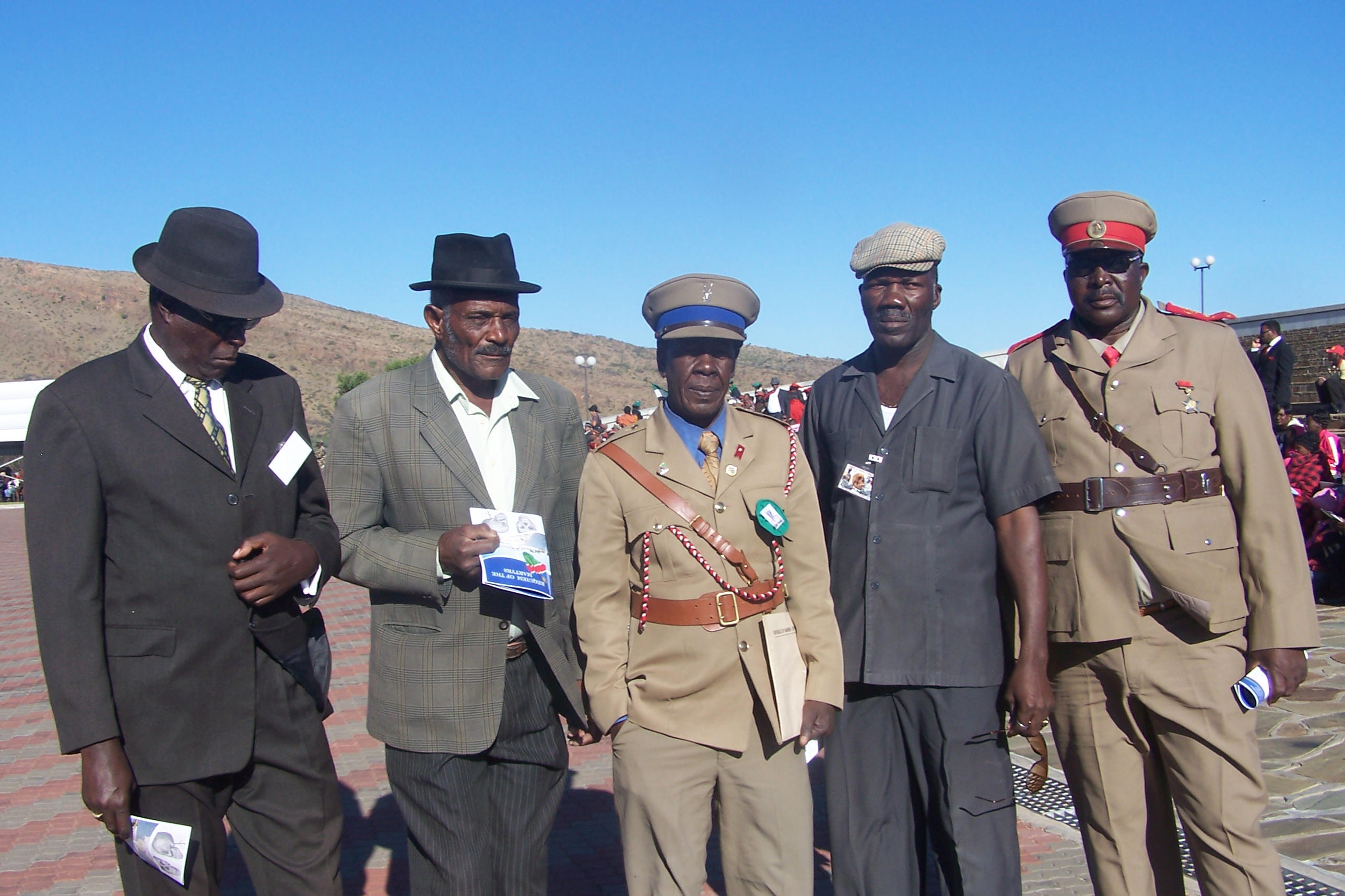
At Okahandja on 26 August 2011, Wilfred Kazeurua cut a figure of defiance. Here, thousands of the Ovaherero people were preparing to hold their annual commemoration. Country-wide, cars and trucks were all loaded and in motion, headed to Okahandja. Late into that evening, there was a lawsuit, one of many culminating in the one of that year, to stop the commemoration.
He would not move in the face of the police might. He would only move at the order of Paramount Chief Kuaimia Riruako, and only then after the Ovaherero leader had given the famous “Hi rarakana otjihavero kuna rive.” He who died on a year later, Majora, had lived a life dedicated to being a man and a father. He was true in thought and conviction to these values.
His death highlighted the dangers faced by those who work to protect rural communities from stock theft. His dedication to his work ultimately cost him his life, but the conviction of his killers serves as a testament to the persistence of justice, even when it takes thirteen years to achieve.
The case stands as a stark reminder that in the pursuit of protecting criminal enterprises, some will resort to the ultimate crime. But it also demonstrates that careful investigation, supported by modern forensic techniques and communication evidence, can unravel even the most carefully planned cover-ups.
For the farming community that knew Kazeurua, his death was not in vain. The conviction of his killers sends a clear message that those who would murder to protect their crimes will ultimately face the full weight of the law.