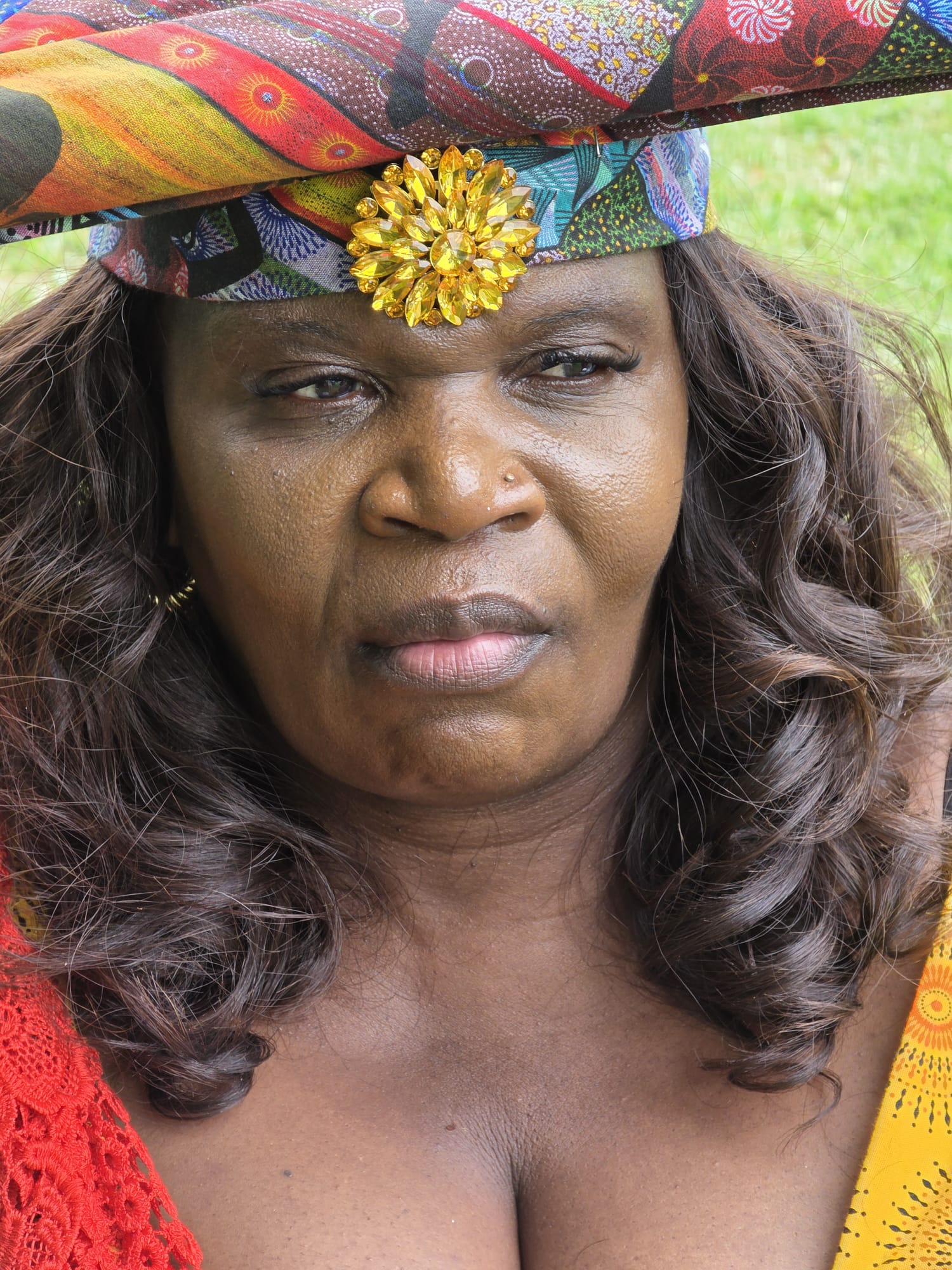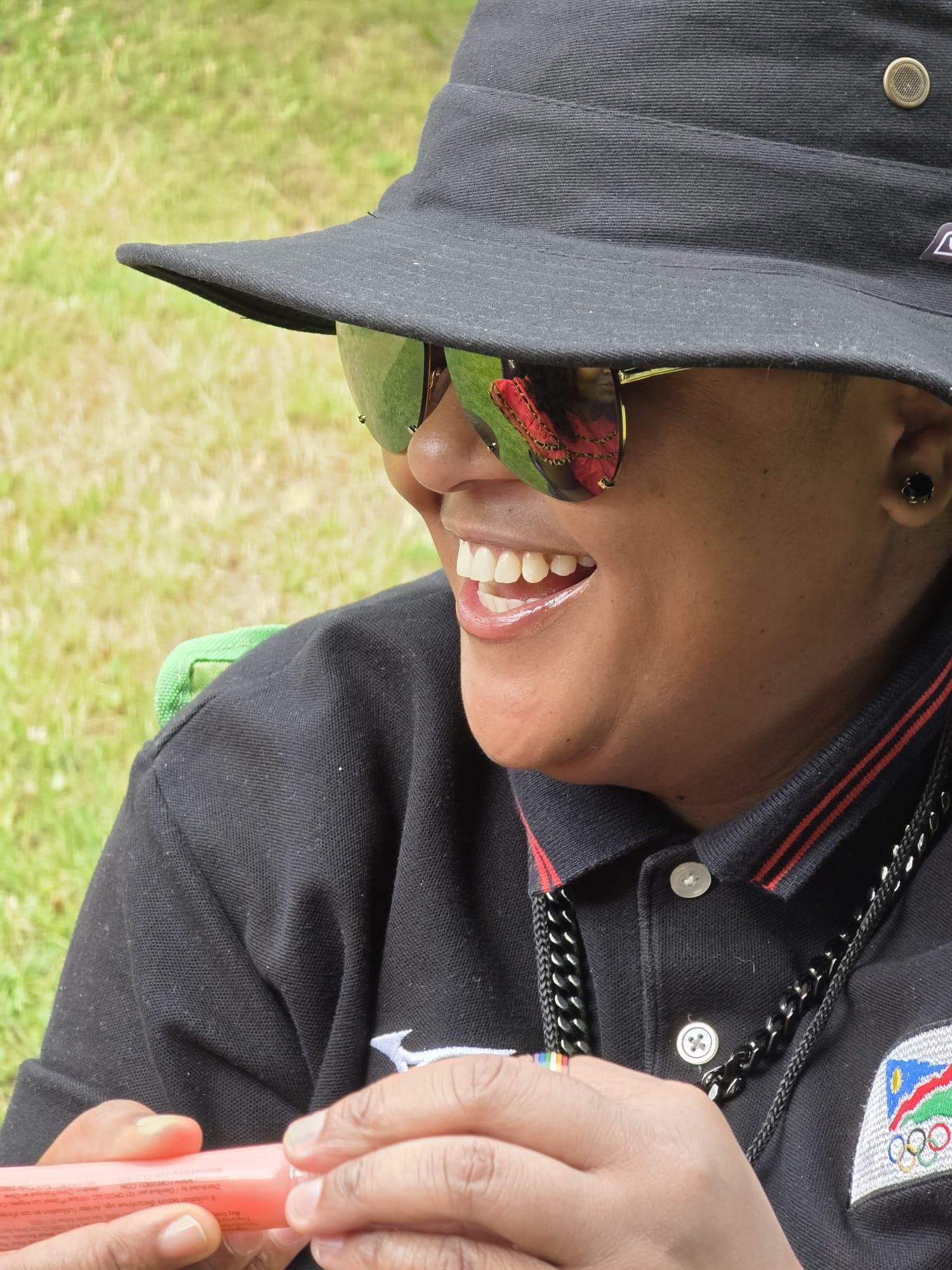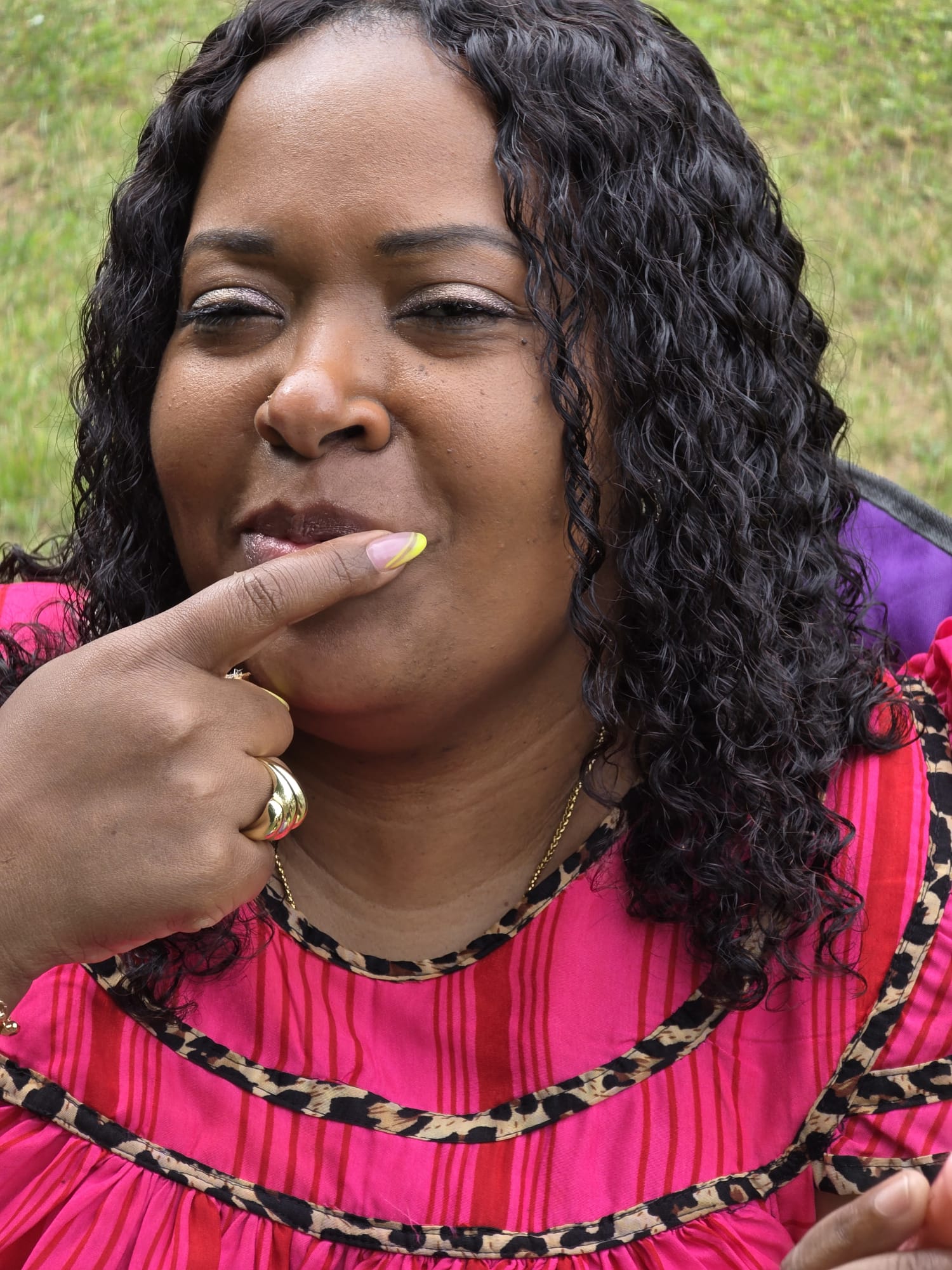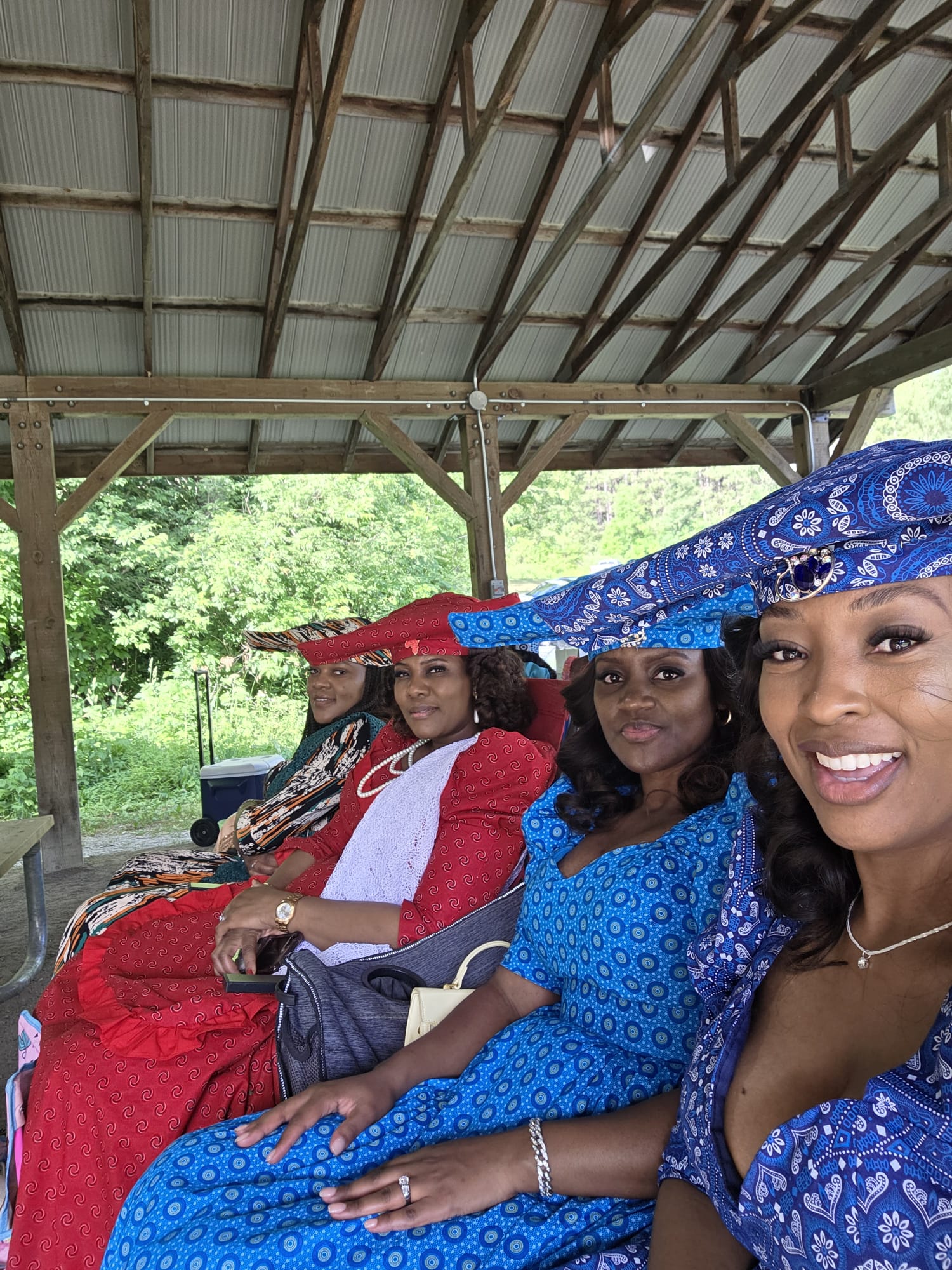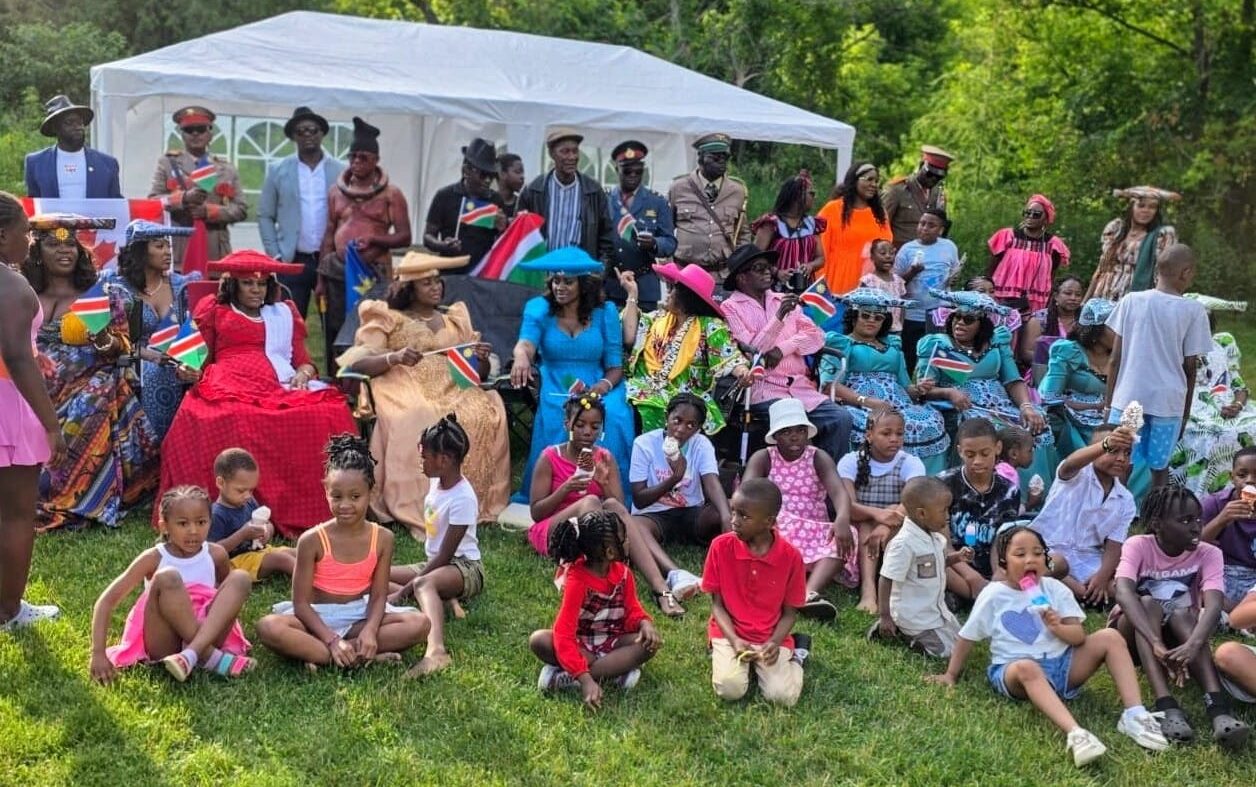
On a crisp autumn morning at Albion Hills Conservation Park in Caledon, Ontario, Seadog Hamunjela surveyed the gathering crowd with quiet satisfaction. The president of the Namibian-Canadian Association had driven more than 3,000 kilometers from Fort McMurray, Alberta, with fellow community member Mesag Kazongominja to witness something unprecedented: the first Culture Day in the association’s history.
For Hamunjela, the journey represented more than miles travelled. It embodied his vision of unity for a scattered diaspora. “My goal of coming here was to repair the bridge between East and West so that we can start visiting each other and share in our difficulties,” he had declared during a previous cross-country trip to attend the memorial service of Cynthia Tjituka-Zaako.
That memorial had crystallized something troubling for Hamunjela and other community leaders. Too often, Namibian-Canadians gathered only in grief, appearing for those they knew personally while remaining strangers to the broader community. “We have to break the belief that we must only show up for people we know,” Hamunjela maintains, sharing his conviction that the community grows stronger when everyone cares for others.
The path to this milestone had been neither swift nor simple. As early as October 2023, association meetings had wrestled with the concept of hosting a culture day. The idea carried weight beyond mere celebration—it addressed a crisis of identity that had been quietly unfolding across Canada’s Namibian diaspora.
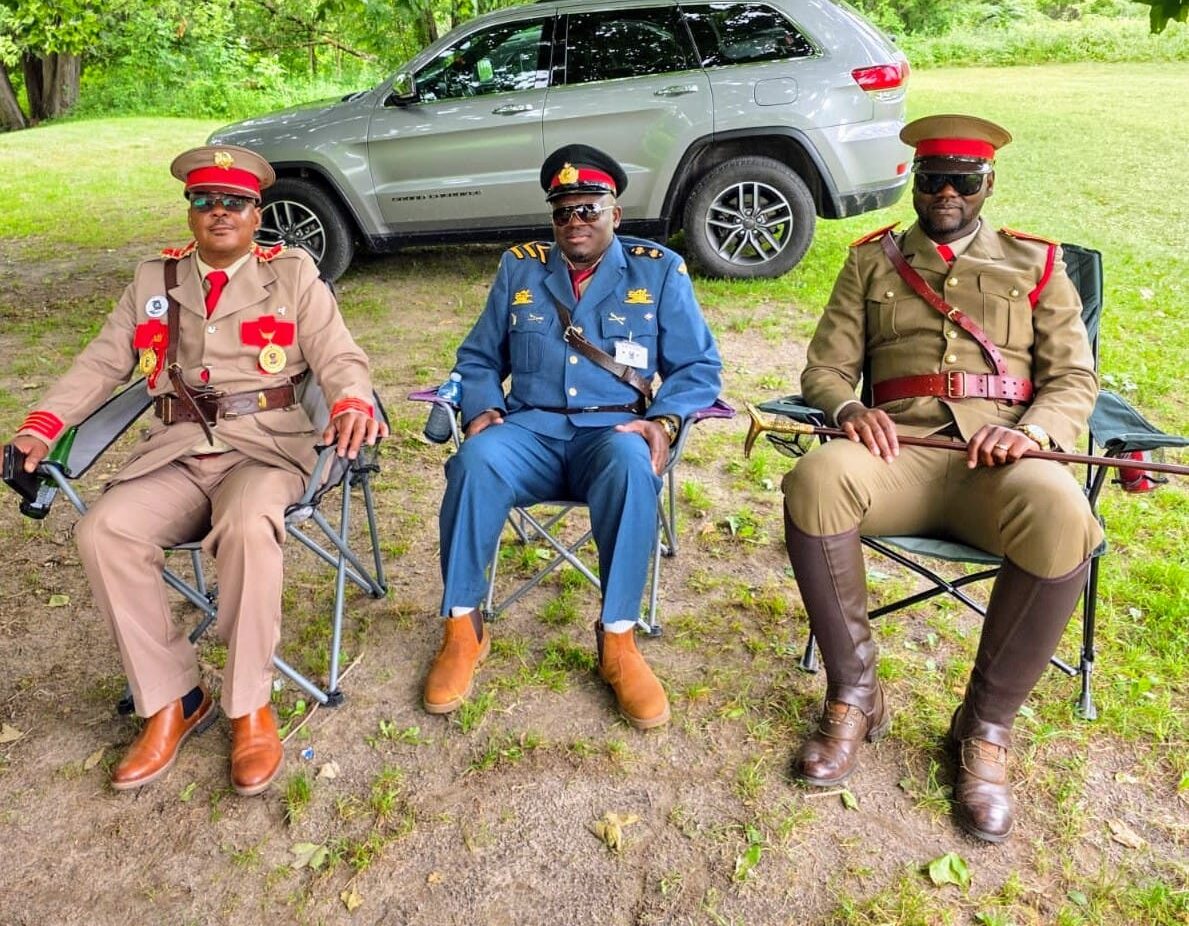
At that pivotal 2023 meeting, the association resolved to host the event on Independence Day 2024. The decision came despite initial reluctance from key figures, including renowned organizer Vezemba Kauari, then a hesitant member of the executive committee. Vice President Outjie Mieze still supplemented Hamunjela’s authority, and the leadership understood the magnitude of what they were attempting.
The urgency became clearer as organizers examined their community’s demographics. Most Namibian-Canadians now in their mid-30s to early 40s had arrived in Canada during their twenties, when career ambitions and new relationships took precedence over cultural preservation. Years had passed in this multicultural, English- and French-speaking nation where, as one community member noted, “a person could easily lose their ways.”
Now these immigrants had become parents themselves, and a troubling gap had emerged. Their children spoke only English, French, or both, familiar exclusively with Canadian customs. An entire generation was growing up disconnected from their African heritage, knowing nothing of their parents’ languages, cuisine, or cultural traditions.
The stakes were clear to everyone involved in the planning process. This wasn’t merely about organizing an event—it was about cultural survival. The Culture Day would allow children from a common homeland to play together while encountering their parents’ languages and traditions for the first time. But the deeper aspiration was to anchor these young lives with roots strong enough to navigate Canada’s cultural multiverse.
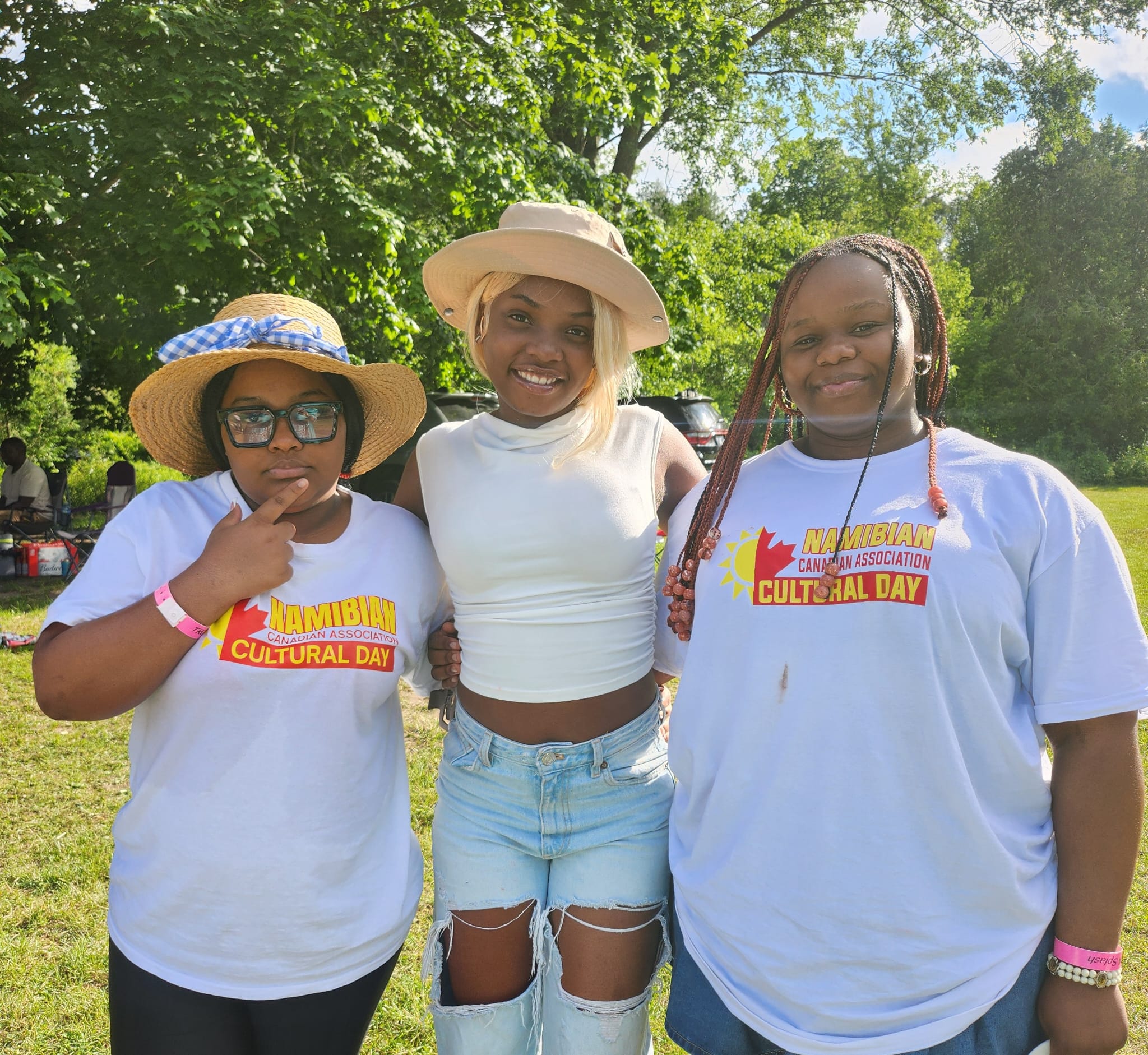
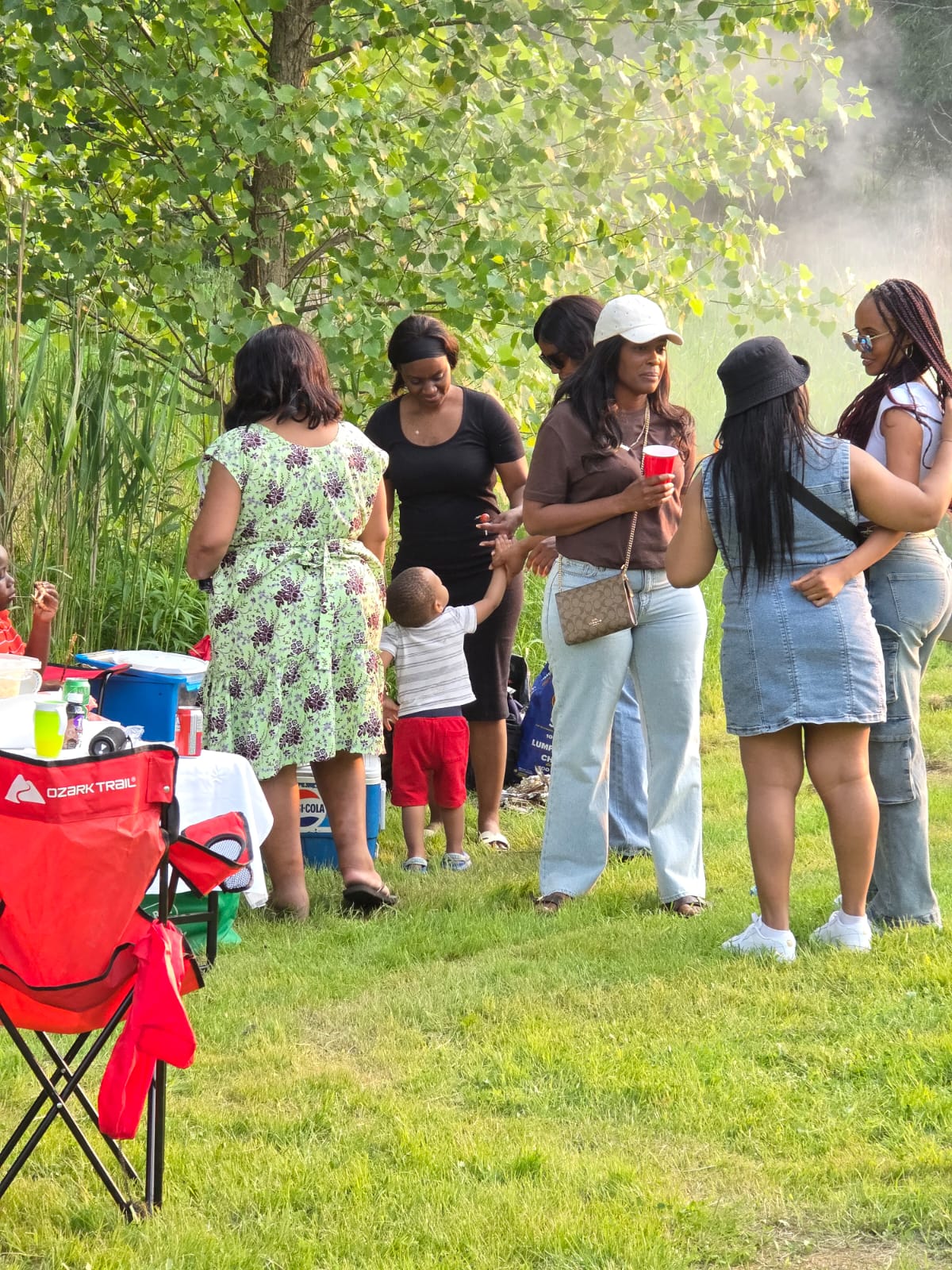
When the day finally arrived, the response exceeded expectations. More than a dozen community members converged on the Greater Toronto Area park, some driving mere kilometers from nearby homes, others traveling vast distances to participate. Local residents like Maxii Kavetu, Kaute, Maharero from Toronto, and Ali Mbuti and Kokuua Kangootui from Hamilton formed the welcoming committee. Seth Hakuria, a passionate culture advocate, made the journey from Timmins, declaring he “wouldn’t have missed the event for anything.”
wouldn’t have missed the event for anything
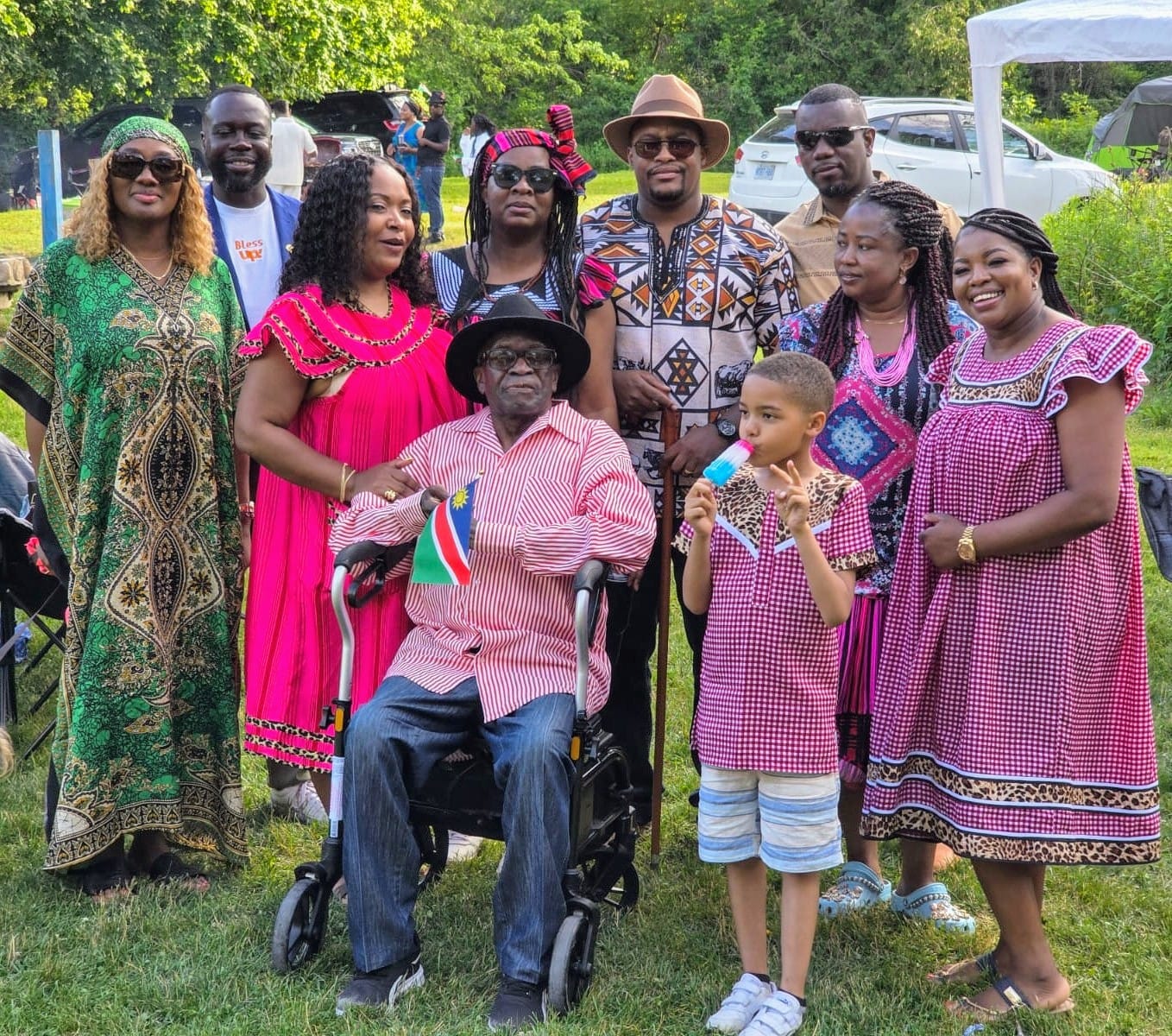
The gathering drew its gravitas from community patriarchs who understood the historical significance. Tate Nakale, a gentleman embodying “the essence of fathers from generations gone by,” attended with his wife, becoming the event’s emotional centerpiece. His presence reminded everyone that this day represented continuity—a passing of wisdom from one generation to the next.
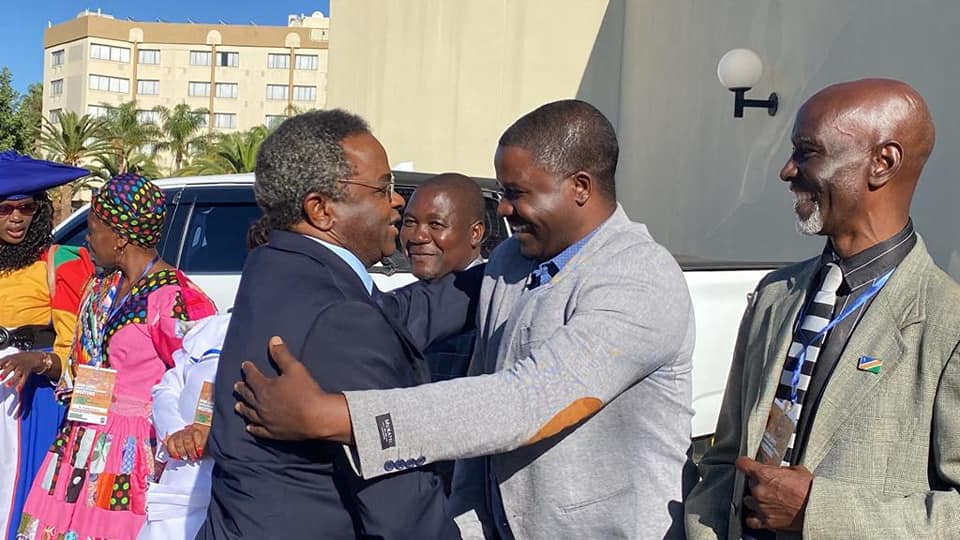
Edward Ndopu, an academic and linguist from Ottawa, brought scholarly authority to the proceedings. His “unique and polished manner of English speech” and charismatic delivery style left no doubt that attendees were witnessing something substantial. Ndopu’s unmistakable voice and commanding presence elevated the day’s educational components.
Behind the scenes, Vezemba Kauari had overcome her initial reluctance to orchestrate the complex logistics. Known throughout the community for her organizational instincts and ability to predict when events might fail, Kauari applied her considerable experience from fundraisers, braais, and season openers to ensure the Culture Day’s success. Her “passion for bringing people together” and reputation as “a voice of reason” proved indispensable.
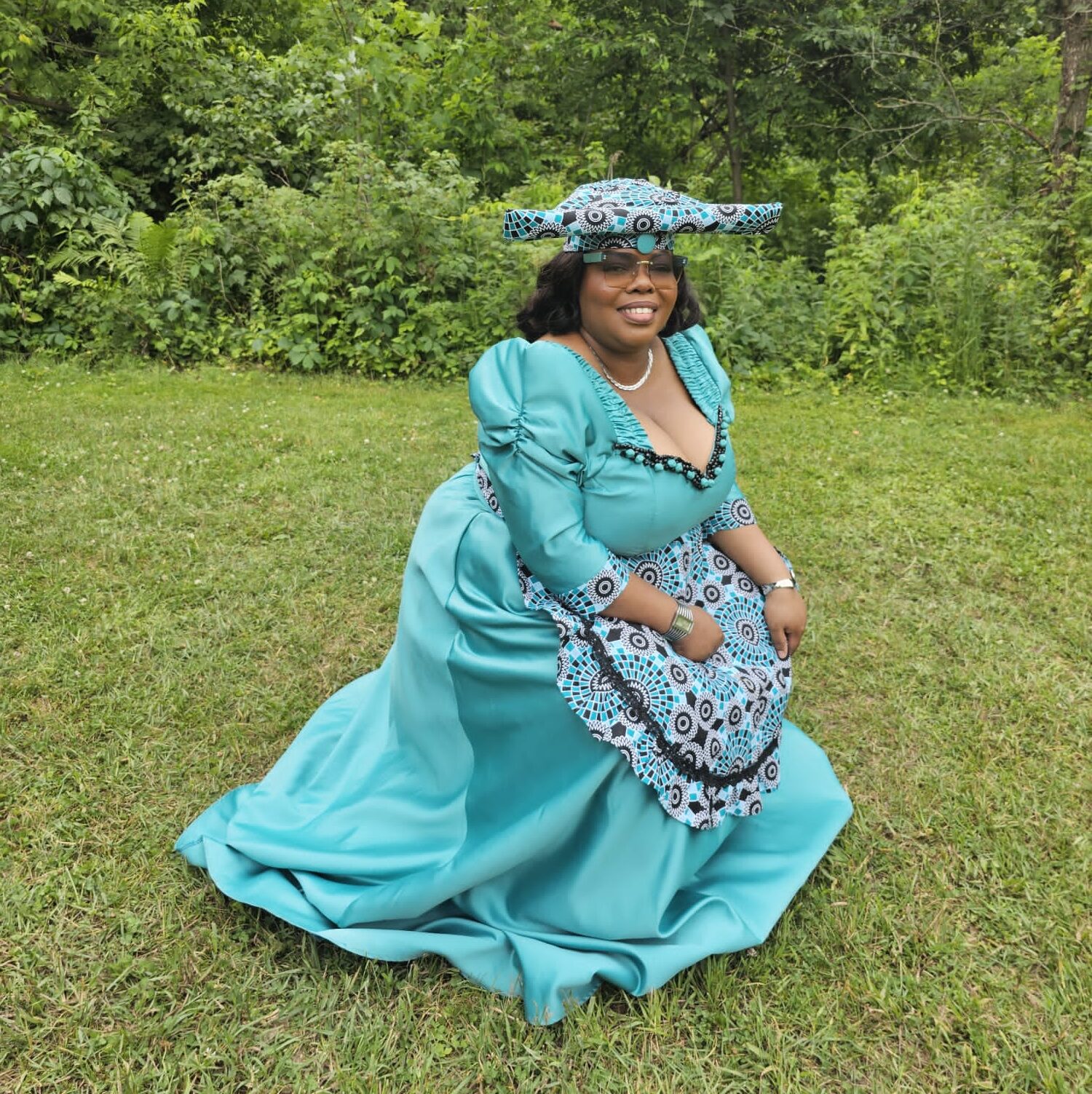
The serial events organizer and community leader, Vezemba Kauari. If it is doable, she certainly can do it.
The day’s educational highlight came when culture expert Seth Hakuria taught proper usage of kinship titles that regulate community hierarchy. He explained that “Honini,” often translated simply as “uncle” in English, specifically denotes the older brother of one’s father in Otjiherero. Such distinctions, Hakuria emphasized, aren’t mere linguistic curiosities—they govern inheritance rights, proper conduct, and family responsibilities within clan and dynastic structures.
These lessons carried particular resonance for parents watching their children absorb cultural knowledge that had nearly been lost. The titles and customs Hakuria described weren’t abstract concepts but living tools for maintaining community cohesion across geographic and generational divides.
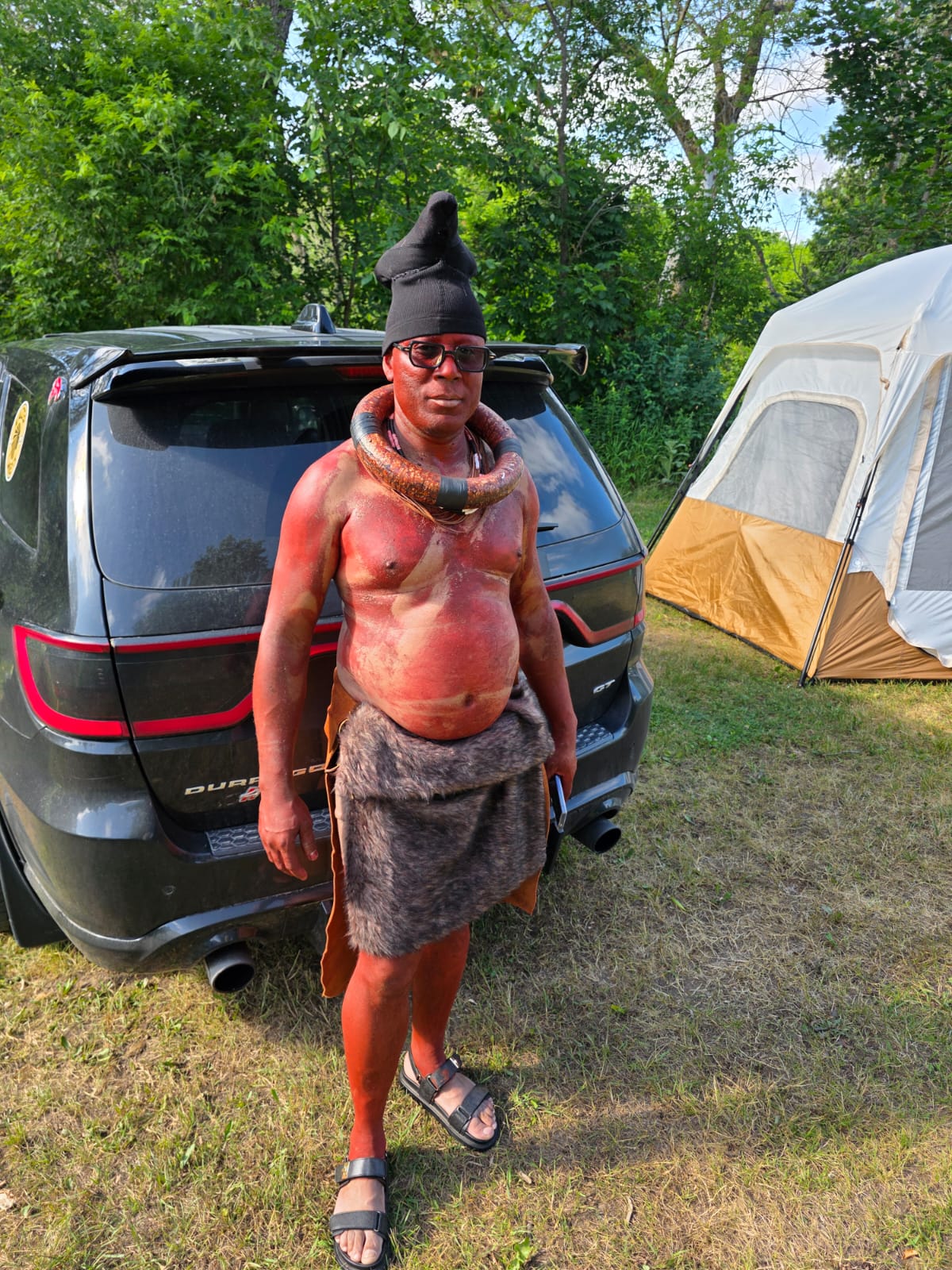
Seth Hakuria, the man behind the naming of several cities and towns in Canada with Herero names, a staunch advocate of Herero culture and a historian in his own right
As the day concluded, participants understood they had witnessed something beyond celebration. The maiden Culture Day represented a deliberate act of cultural reclamation—a community’s determination to bequeath its children the strong roots that cultural knowledge provides.
For Hamunjela, who had driven across a continent to be present, the event fulfilled his vision of unity. The bridges between East and West were being rebuilt, not just through his personal travels but through shared commitment to preserving what had traveled with them from Namibia to Canada.
The children who played together that day, learning their parents’ languages and customs for the first time, embodied the community’s future. They would grow up with access to both worlds—rooted in African traditions yet equipped to thrive in Canadian society.
But perhaps most significantly, the Culture Day established a new tradition. No longer would the Namibian-Canadian community gather only in times of loss. They had created space for celebration, education, and the deliberate transmission of cultural heritage—ensuring that future generations would know not just where they lived, but where they came from.
This was the beginning of yearly celebrations of Namibian cultures by members of the community who have found a home overseas, and are trying to bring their roots with them as they grow their families as young adults. The atmosphere at the event was joyful, foreshadowing great knowledge and memories to be shared in the future.