
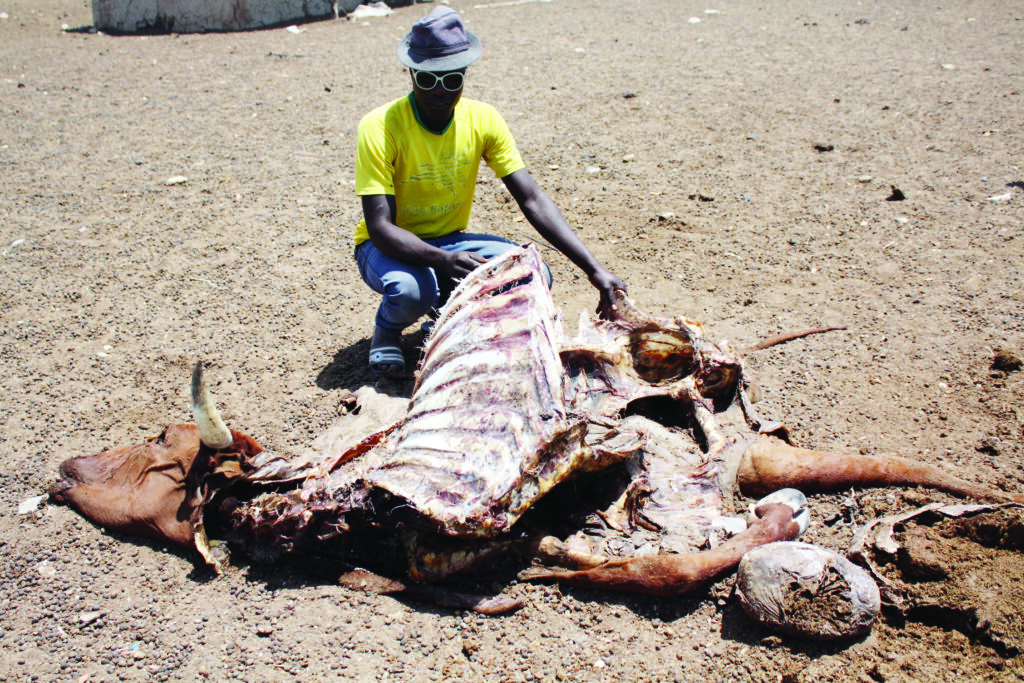
Namibia is grappling with an urgent funding shortfall of about N$482 million needed to assist over 1.26 million people facing drought-driven hardship. During the recent 9th Africa Regional Platform for Disaster Risk Reduction in Windhoek, Prime Minister Saara Kuugongelwa-Amadhila presented the scale of the crisis, emphasizing the need for additional resources to protect vulnerable communities.
Of the N$1.6 billion allocated for drought relief, there remains a significant gap to reach 373,276 more households. Fortunately, development partners have already begun to offer support through financial aid, food, and essential equipment, coordinated in partnership with UN agencies. Across Southern Africa, communities struggle under the dual pressures of prolonged drought and the El Niño climate pattern, with widespread impacts on agriculture and livelihoods.
Namibia’s multi-pronged approach includes food distribution to at-risk households, financial support for livestock farmers, and clean water provisions in affected regions. However, shrinking dam reserves—now almost 70% below average levels—along with declining food production are increasing the pressure on government resources. Despite efforts to provide aid, limited funding has restricted the reach of these relief initiatives.
Growing Climate Risks Demand Swift Action
With climate impacts intensifying across the continent, African nations are on the front lines, experiencing more frequent and severe weather events. The prime minister noted the urgent need for stronger climate policies and enhanced preparedness to safeguard economies, communities, and ecosystems.
In its latest analysis, the Integrated Food Security Phase Classification (IPC) reported that 38% of Namibia’s population requires immediate humanitarian aid to prevent food shortages. This figure is projected to rise to 41% by early 2025 as seasonal challenges heighten resource scarcity for households.
Namibia finds itself in a critical struggle against climate-driven threats, where drought and resource scarcity are a growing reality. Global cooperation is essential to address the immediate challenges and strengthen resilience.
Reinforcing Food Security Amid Ongoing Drought
Namibia’s current food crisis reflects a combination of erratic weather patterns, prolonged drought, and weakened agricultural productivity. The IPC report recommended steps to address this, such as providing drought-resistant seeds, improving training for communal farmers, and expanding hydroponic fodder initiatives to support livestock health. These strategies aim to lessen the impact on communities most affected by drought conditions.
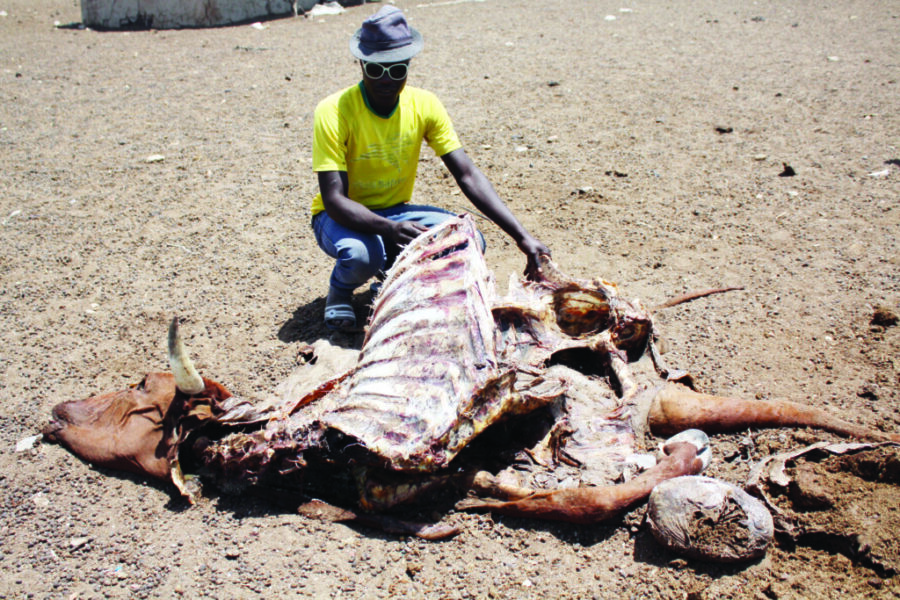
Despite ongoing climate challenges, these efforts underscore the nation’s commitment to building a more resilient future